Frequently asked questions about furnace maintenance in Hamilton
When is the best time to book furnace maintenance in Hamilton?
September or early October, before the heating season begins. Hamilton’s heating season runs hard from November through March, and fall tune-up slots fill quickly. Booking before the first cold snap means the furnace is ready when it needs to be — not scrambled for after the first breakdown.
What is included in a furnace tune-up in Hamilton?
A complete tune-up covers the heat exchanger, burners, ignition system, flame sensor, blower motor and bearings, condensate drainage, gas pressure, venting and draft, thermostat, filter, electrical connections, safety controls, and a carbon monoxide check — followed by a full operating cycle test.
Do I need furnace maintenance every year?
Annual maintenance is recommended for most Hamilton homes. It keeps the furnace on a regular inspection schedule before peak heating demand, catches developing problems early, and is often required to maintain the manufacturer warranty. A furnace that runs through Hamilton’s extended winters benefits most from a pre-season check.
Can maintenance prevent a breakdown?
It cannot guarantee a part will never fail. What it can do is find conditions that are already heading toward failure while there is still time to address them on a scheduled visit — not during an emergency call in the middle of January.
7+Years of Experience
10000+Satisfied customers
What you’ll get when you choose us for furnace maintenance in Hamilton
Expertise and reliability
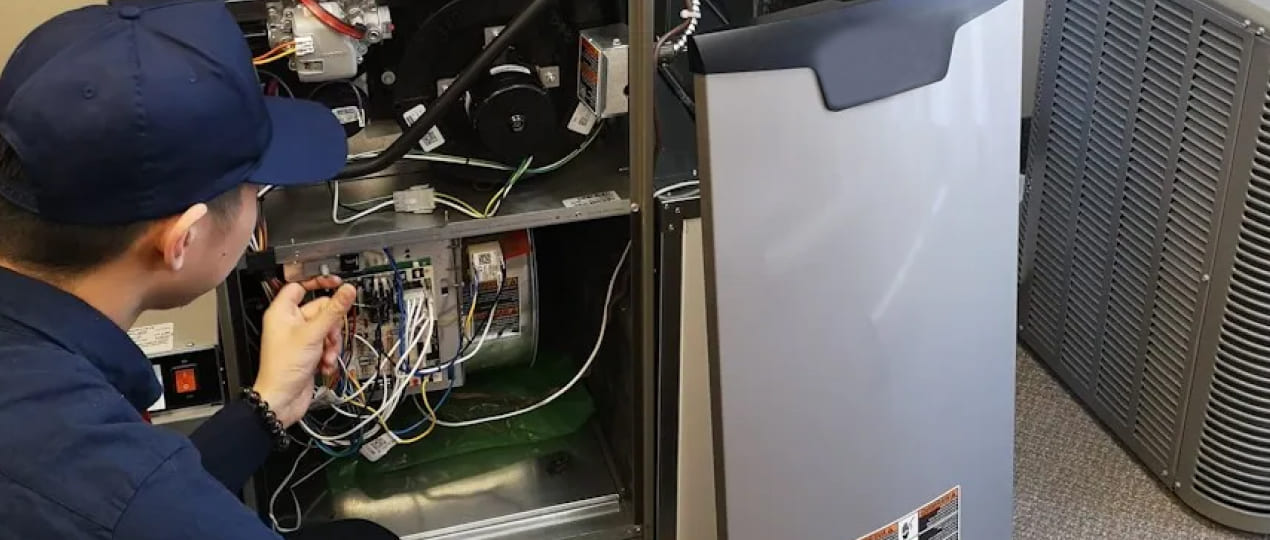
Our licensed technicians inspect the furnace through its full operating cycle — not just a visual check. We look at the components that cause real failures, not just the ones that are easy to access.
Thorough service, not a quick visit
A proper Hamilton furnace tune-up takes 60 to 90 minutes. We clean what needs cleaning, test what needs testing, and verify every safety-related component before the visit is finished.
Straightforward pricing policy
The price is confirmed before work begins. If a separate repair is identified, it is quoted separately — never added to the maintenance invoice without your approval.
Quality guarantee
Every maintenance visit comes with a full labour warranty. If anything needs follow-up after the visit, we resolve it promptly.
What we check during every furnace tune-up in Hamilton
During the maintenance visit, we inspect and test:
Heat exchanger condition
Burner cleanliness and operation
Ignition system and igniter
Flame sensor condition and cleaning
Blower motor and bearings
Condensate drainage
Gas pressure and valve operation
Venting, draft, and combustion
Thermostat response and controls
Electrical connections and safety switches
Furnace Tune-Up in Hamilton — What a Proper Maintenance Visit Actually Covers
Hamilton’s heating season is long. Furnaces here run hard from November through March, and the combination of cold winters and Lake Ontario humidity puts more demand on residential heating equipment than many homeowners expect. Heat exchangers, blower motors, and ignition components all wear faster when a system runs through extended cold snaps — and a furnace that seemed fine in October can show real problems by January.
The biggest value of a furnace tune-up is not the cleaning. It is finding the parts that are already heading toward failure while there is still time to deal with them on your schedule.
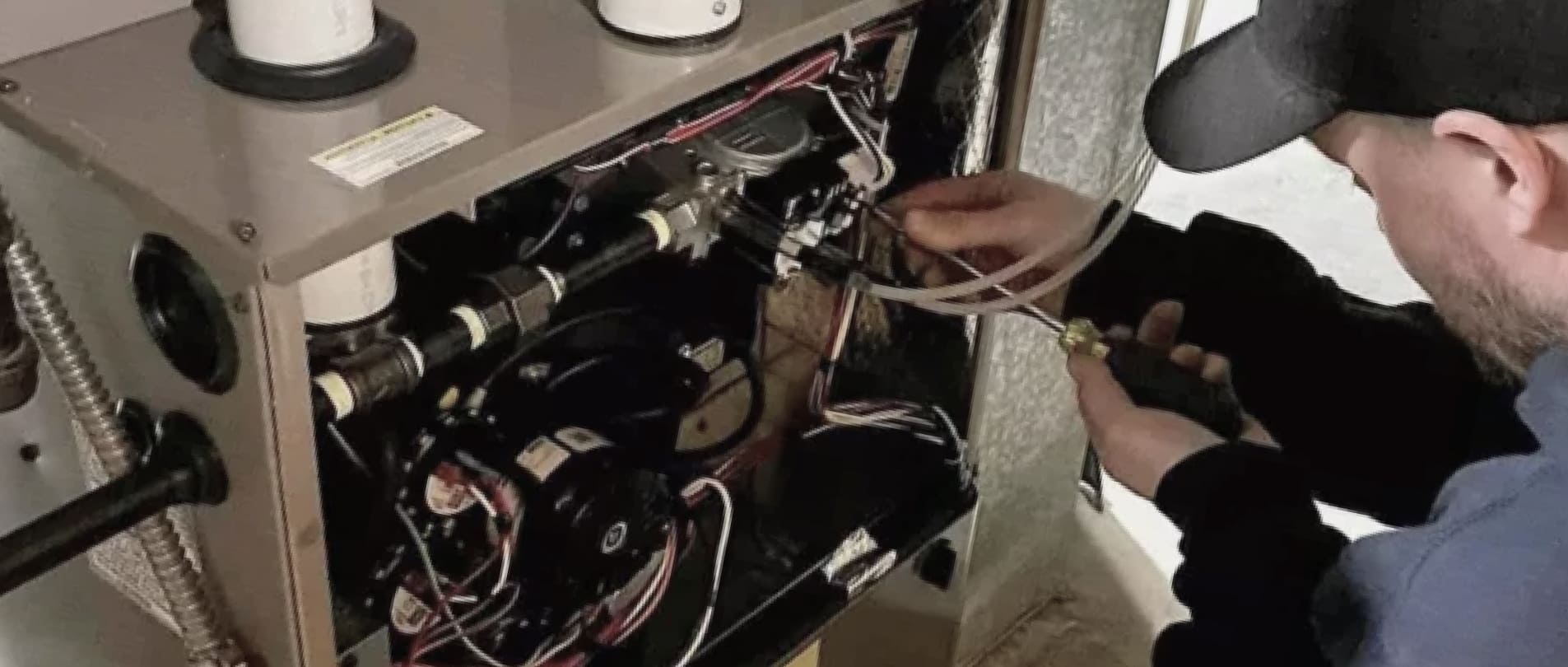
A proper furnace maintenance visit starts by running the system through its complete operating sequence — startup, inducer, pressure verification, ignition, flame confirmation, blower, and shutdown. That is the only reliable way to find faults that only appear when the furnace is actually working under load.
What professional maintenance finds that homeowners cannot:
Heat exchanger condition A cracked or deteriorating heat exchanger can allow combustion gases — including carbon monoxide — into the home’s air supply with no visible warning. This is the most critical safety check of the entire visit. It requires professional inspection equipment and cannot be done from outside the furnace.
If maintenance shows that the furnace is no longer practical to keep servicing, explore our furnace installation in Hamilton options for replacement.
Ignition and flame sensor wear A furnace that lights reliably in fall may begin to hesitate or misfire in mid-winter after hundreds of cycles. Cleaning the flame sensor and testing the igniter during a scheduled tune-up takes minutes. Dealing with it after an emergency lockout costs significantly more and happens at the worst possible time.
Blower and bearing condition A blower motor beginning to show bearing wear often sounds slightly different before it fails completely. Identifying it during maintenance means scheduling the repair at your convenience — not losing heat when it gives out on a cold night.
Venting and combustion High-efficiency furnaces vent through plastic pipe, and condensation buildup, partial blockages, and draft problems are common in Hamilton’s climate. These issues do not always produce obvious symptoms but can trigger safety shutdowns or — in more serious cases — affect combustion. Seasonal inspection catches them early.
Carbon monoxide checks Every maintenance visit includes a CO check. Homeowners can change filters and keep the area around the furnace clear, but carbon monoxide testing requires calibrated equipment. It is not optional in a home with a gas furnace.
Furnace maintenance Hamilton homeowners should schedule before winter — not after the first problem appears.
If the inspection finds something that needs corrective work, the technician explains what it is and quotes the repair separately before doing anything. The maintenance visit is complete regardless of what is found — you decide what to do next.
Furnace problems that maintenance helps prevent in Hamilton
WHAT WE IDENTIFY BEFORE IT BECOMES A BREAKDOWN
Furnace locking out during cold weather
Delayed or failed ignition at startup
Weak or uneven airflow through the home
Short cycling — starting and stopping repeatedly
Carbon monoxide entering the home’s air supply
Heat exchanger failure requiring full replacement
Blower motor failure mid-heating season
Condensate drainage blockage in high-efficiency systems
Unexpected no-heat situation during peak winter demand
Voided manufacturer warranty from missed annual service
Thank you.
We will contact you. Shortly.
We’re sorry
Something went wrong.
Trust our team to maintain your furnace in Hamilton
We’ve built long-lasting relationships with our customers over the years
Government HVAC rebates
Annual maintenance keeps the furnace on a documented service schedule — which can support manufacturer warranty coverage and eligibility for future upgrade rebate programs.
Comprehensive warranty
Every furnace tune-up in Hamilton comes with a full labour warranty. If anything needs follow-up after the visit, we resolve it without additional charges.
Transparent and reasonable prices
The price is confirmed before the technician begins. If a repair is identified, it is quoted separately — never added to the maintenance invoice without your approval.
Qualified and accredited
Our technicians are licensed gas fitters registered with TSSA. Every maintenance visit includes combustion testing and CO checks completed to Ontario safety standards.
Remarkable reviews
Hamilton homeowners have left hundreds of verified reviews on Google and HomeStars about our furnace maintenance and tune-up service specifically.
Locally owned
Our Hamilton office covers the full city — Mountain, lower city, and surrounding Hamilton communities — with fall scheduling available before the heating season begins.
Get even more benefits by working with us!
Reviews of our furnace services in Hamilton
9.7/10
215 reviews
5/5
1201 reviews
Farid Kotadia
Sep 27, 2026
Superior was awesome. Furnace is ready for winter!
Cs Ianz
Oct 1, 2026
Called Superior to make sure my furnace was ready to go for winter. Very fair price and they filled me with confidence that my home will be warm!
Jordynn Brunt
Oct 3, 2026
Had a broken gas valve and Superior solved my issue the same day!
Samrath Singh
Sep 10, 2026
Fixed my furnace, really great service. 100% recommend.
Eshan
Sep 10, 2026
Just had our annual furnace cleaning done by superior he caught a weak flame sensor and replaced it on the spot no hard cell just solid advice as members we paid next to nothing and got our report. Emailed to the same day the units running whisper-quiet now.
Youssef Gebai
Sep 14, 2026
Great service from start to finish. We had an old furnace that wasn’t working, and the team recommended replacing it. The new system is working great!
Max Clifford
May 24, 2026
Superior HVAC saved our lives. Our furnace gave out and left us freezing for 3 days before we called. Problem was solved with their new Lennox furnace. Wouldn’t hesitate to call again!
Fabrizio Jarman
May 26, 2026
I called this company because our home wasn’t cooling evenly and some rooms were much warmer than others. The technician inspected the system thoroughly and identified an airflow issue right away. He fixed the problem quickly and now the entire house feels comfortable again. Great customer service and honest pricing
Vaghela Samyak
Jun 25, 2026
The furnace would start but shut down after a few minutes. The technician replaced a faulty limit switch and confirmed everything was operating safely
Stuart Hiller
Jun 10, 2026
We had persistent humidity and mold issues in our bathrooms and the team assessed the whole ventilation system. They upgraded the exhaust fans and tied them into proper exterior venting. the moisture problem is completely gone
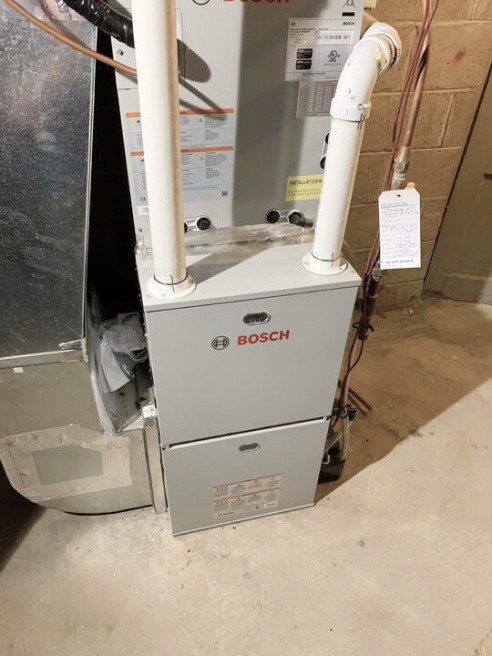
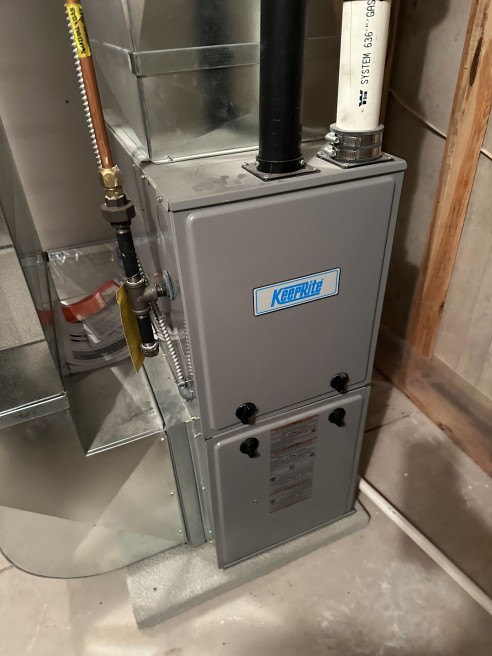
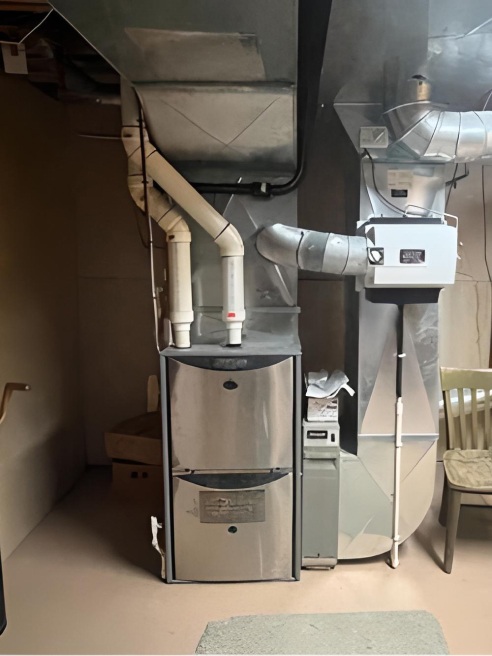
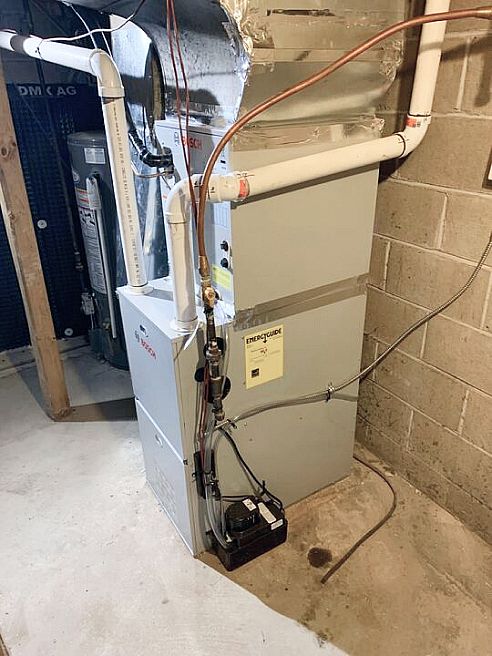
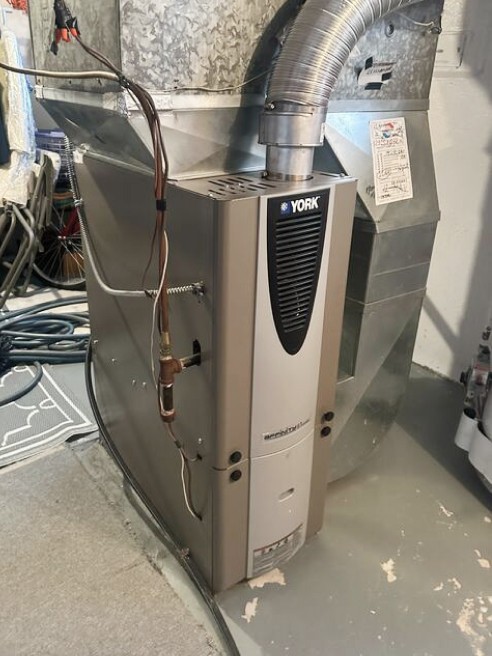
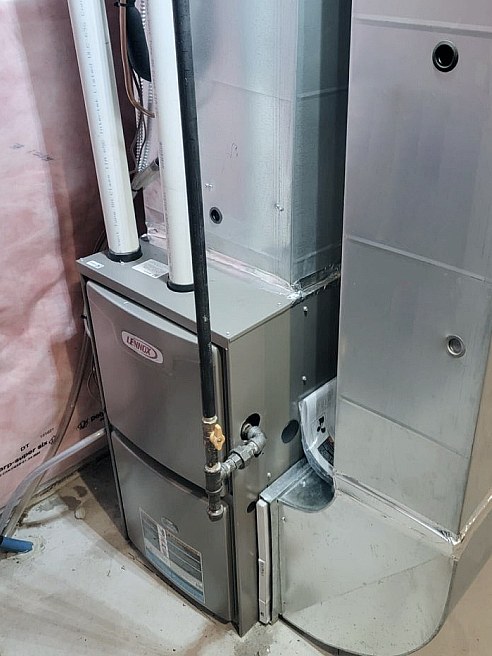
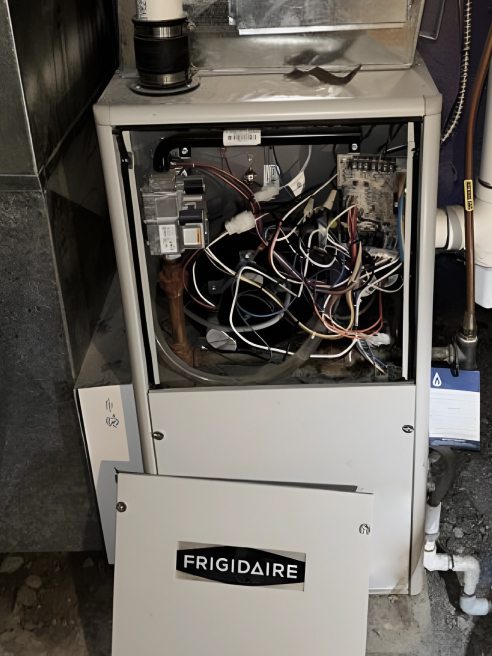
Examples of excellent work done by our Hamilton furnace technicians
Our pros can inspect and service key components of your furnace in Hamilton
FURNACE COMPONENT INSPECTION & MAINTENANCE
Heat exchanger
Burners
Igniter
Flame sensor
Blower motor
Thermostat
Gas valve
Limit switch
Pressure switch
Draft inducer motor
Furnace filter
Venting system
Condensate drain
Electrical connections
We provide professional furnace maintenance throughout Hamilton
Our technicians provide furnace tune-ups, cleaning, and seasonal maintenance across Hamilton and nearby communities, including: